
Cheaper Home Batteries Program · Updated October 2026
NSW Battery Rebate 2026: How the Federal Discount Works
The federal Cheaper Home Batteries Program takes thousands off a home battery, but from 1 May 2026 it is tiered by size and it steps down every six months. Here is exactly how it works, what your battery would earn and how we apply it for you.
- 4.9★Google rating
- 1,500+Installations
- Since 2017Locally owned
- SAAAccredited installers
What Is the Cheaper Home Batteries Program?
The Cheaper Home Batteries Program is a federal discount on home battery systems. It works through the Small-scale Renewable Energy Scheme: an eligible battery creates small-scale technology certificates (STCs), and those certificates have a market value that is taken off the price of your battery at the point of sale.
The program started on 1 July 2025 and runs until the end of 2030. It is administered by the Clean Energy Regulator and applies to homes, small businesses and community facilities across Australia, including NSW.
Because the discount is based on STCs, the dollar value depends on three things: the usable capacity of your battery, the STC factor in force on your installation date, and the market price of STCs at the time.
The Rebate Is Now Tiered by Battery Size
Each band applies only to the capacity within it. Every eligible battery earns the full rate on its first 14kWh, so small and medium batteries keep most of their discount.
| Capacity band | Share of the full STC factor | STCs per kWh (May–Dec 2026) |
|---|---|---|
| First 14kWh | 100% | 6.8 |
| 14 to 28kWh | 60% | 4.08 |
| 28 to 50kWh | 15% | 1.02 |
| Above 50kWh | Not eligible | 0 |
How Much Would Your Battery Earn?
Estimated discounts for installations between May and December 2026, using a factor of 6.8 STCs per kWh and an STC price of about $38.
| Usable battery capacity | STCs (approx.) | Estimated discount | Per kWh |
|---|---|---|---|
| 10kWh | 68 | ≈ $2,600 | ≈ $260 |
| 16kWh | 103 | ≈ $3,900 | ≈ $244 |
| 20kWh | 119 | ≈ $4,500 | ≈ $225 |
| 28kWh | 152 | ≈ $5,800 | ≈ $207 |
| 42kWh | 166 | ≈ $6,300 | ≈ $150 |
| 48kWh | 172 | ≈ $6,500 | ≈ $135 |
STC prices move daily and the factor changes every six months. Your quote shows the exact figure for your battery and installation date.
Choosing a Battery Size Under the New Rules
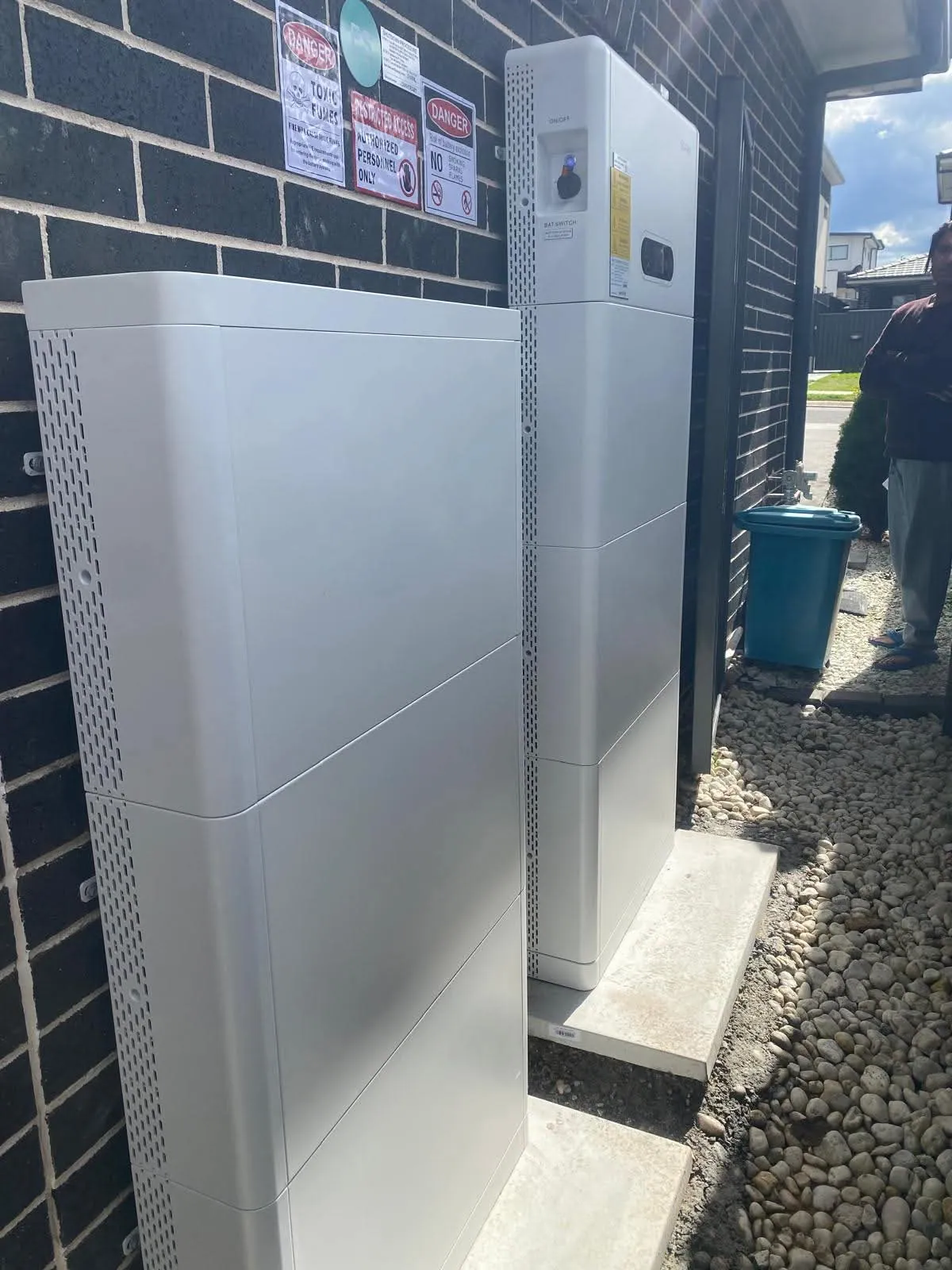
The tiered structure rewards sizing a battery to your real evening and overnight use. The first 14kWh earns about $258 per kWh at current rates, the next 14kWh about $155 per kWh and capacity above 28kWh about $39 per kWh. A 42kWh battery still earns more in total than a 28kWh battery, but most of the extra capacity is paid for by you.
That does not make large batteries a poor choice. Homes with ducted air-conditioning, a pool or one or more EVs can use that storage every day. It simply means the decision should be based on your usage, not on chasing the rebate.
We show you the rebate on each size option in your quote so you can compare the cost per usable kilowatt-hour.
The Rebate Steps Down Every Six Months
| Installation period | STC factor (first 14kWh) | Approx. value per kWh* |
|---|---|---|
| Jan–Apr 2026 | 8.4 | ≈ $319 |
| May–Dec 2026 | 6.8 | ≈ $258 |
| Jan–Jun 2027 | 5.7 | ≈ $217 |
| Jul–Dec 2027 | 5.2 | ≈ $198 |
| Jan–Jun 2028 | 4.6 | ≈ $175 |
| 2029–2030 | Steps down further each six months | Lower each period |
*Approximate value per kWh for the first 14kWh at about $38 per STC. Later factors are indicative and set by the scheme; check your quote for the current rate.
Who Can Claim the Battery Rebate?
Most NSW homeowners with solar, or installing solar at the same time, can claim the discount. The main conditions are about the product, the installer and the connection:
- The battery is on the program’s approved battery product list
- It is installed by an SAA-accredited installer
- It is connected to an existing solar system or new solar installed at the same time
- The installation is at a home, small business or community facility
- Usable capacity up to 50kWh is eligible, at the tiered rates
There is no income test for the federal discount. If you have a battery installed already, adding more capacity later may still be eligible; we check this case by case.
Stacking the NSW VPP Incentive on Top
NSW no longer pays a separate battery installation incentive. It was replaced in July 2025 by a larger one-off payment for connecting an eligible battery to a virtual power plant (VPP) under the NSW Peak Demand Reduction Scheme. That payment stacks with the federal discount on this page.
The amount depends on battery size and on the VPP provider, and it is calculated on usable capacity up to 28kWh, so bigger batteries do not earn more. Current provider guides put it at roughly $1,000 for a 28kWh battery. It can be claimed once per property, by the account holder who signs the VPP agreement, and from 1 July 2026 solar panels are no longer required for it.
Joining a VPP means the provider can draw on your battery at times of peak demand, so check the terms (minimum reserve, contract length, any fees) before you sign. We tell you at the quote whether the battery we recommend is VPP-compatible, so you can decide.
Common Battery Rebate Mistakes
- Choosing a battery that is not on the approved product list
- Assuming the rate at signing applies when the installation is months later
- Oversizing far beyond your evening use just to chase a bigger rebate
- Using an installer without SAA accreditation, which can void eligibility
- Ignoring backup wiring: not every battery powers your home in a blackout by default
We explain all of this in plain language at your free site visit, and your written quote shows every discount clearly.
Rebate-Eligible Batteries and Bundles
Home batteries
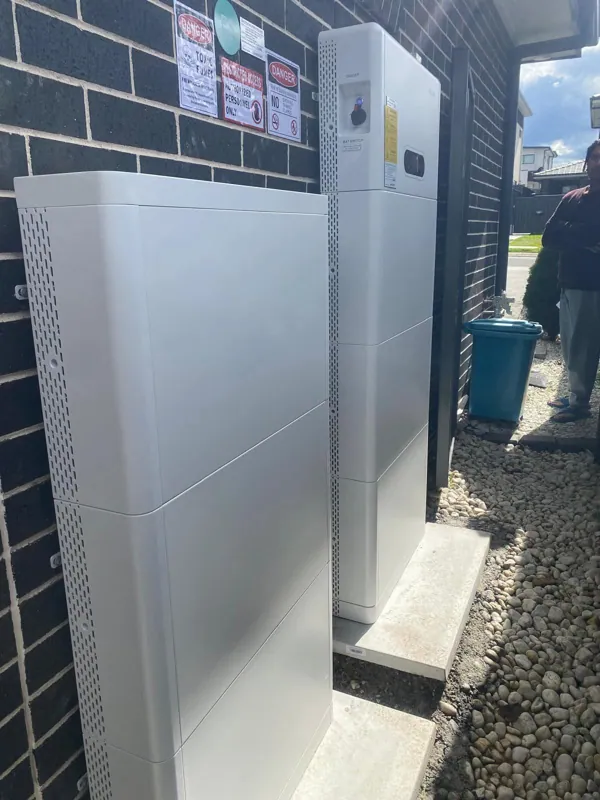
Alpha ESS, Sungrow, Sigenergy, FoxESS and Energylib options.
Learn more →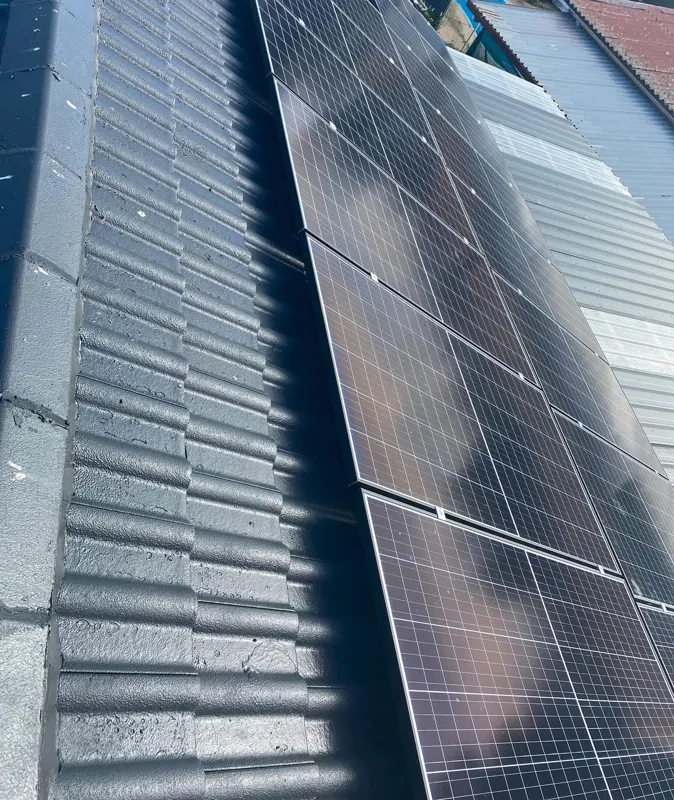
Solar + battery packages
Four bundles from $7,499 with 16–48kWh batteries. These prices apply to Sydney metropolitan and suburban areas only.
Learn more →
Finance options
$0 deposit options subject to lender approval.
Learn more →What Our Customers Say
“Best deal in the market.”
“Extremely satisfied with their service from start to finish.”
“Fantastic service from Fahad — quick inspection, sound advice, and great value.”
Battery Rebate FAQs
How much is the battery rebate in NSW in 2026?
It depends on battery size and installation date. For installs between May and December 2026, a 16kWh battery earns around 103 STCs (roughly $3,900) at about $38 per STC. Larger batteries earn more in total, but capacity above 14kWh earns a reduced rate.
Is the battery rebate a NSW or federal program?
The Cheaper Home Batteries Program is a federal program run through the Small-scale Renewable Energy Scheme and administered by the Clean Energy Regulator. It applies across Australia, including NSW.
Is there a NSW battery rebate as well?
Not for installation. NSW now pays a one-off incentive when you connect an eligible battery to a virtual power plant, under the Peak Demand Reduction Scheme. It stacks with the federal discount, depends on battery size (calculated up to 28kWh) and the VPP provider, and can be claimed once per property.
Do I need to apply for the rebate myself?
No. The discount is created through STCs and applied at the point of sale. We complete the paperwork and show the discount on your quote and invoice.
Does the signing date or the installation date decide my rebate?
The installation date. The Clean Energy Regulator has confirmed rebates are determined by when the battery is installed, not when the contract is signed, so the rate that applies is the one in force on your installation day.
Do I need solar panels to get the battery rebate?
The battery must be connected to a home with an existing solar system, or have new solar installed at the same time. We check your eligibility before quoting.
Is there an income test or a limit on claims?
There is no income test for the federal battery discount. The rebate applies to eligible capacity up to 50kWh, with the tiered rates set out above.
Will the rebate get smaller?
Yes. The STC factor steps down every six months until the program ends in 2030, and from 1 May 2026 larger batteries earn reduced rates above 14kWh. The same battery therefore earns less the later it is installed.
Can I combine the battery rebate with the solar STC discount?
Yes. New solar panels earn their own STCs, and the battery earns STCs under the Cheaper Home Batteries Program. Both appear as separate discounts on your quote.
Sources: Clean Energy Regulator, Battery rebates are changing 1 May 2026 and Cheaper Home Batteries Program; NSW Government, NSW & Commonwealth double incentives for batteries and the Energy Sustainability Schemes. Figures on this page are estimates for guidance; STC prices change daily and your quote shows the exact discount.
Get Your Battery Quote With the Rebate Applied
Book a free site visit with our SAA-accredited team. We design a system for your roof and bill, apply the rebates and give you a written price with no obligation.
Mon–Fri 8am–6pm · Sat 9am–3pm
- No obligation, no pushy sales
- Fixed written price before any work
- Battery and STC rebates applied for you
- Installed by our own SAA-accredited team